

Search "logistics company Florida" and the results split into two camps almost every time: a warehouse operator with some storage space to rent, or a trucking company with a fleet to move freight. Rarely both. If your business needs storage and transportation, that split means picking two vendors and managing the handoff between them yourself, or finding the smaller number of partners who actually do both under one roof.
CWI runs warehousing and transportation as one operation, not two businesses sharing a logo. Here's what that actually changes for a shipper, and when it matters more than others.
Why the Florida Logistics Market Splits Into Two Camps
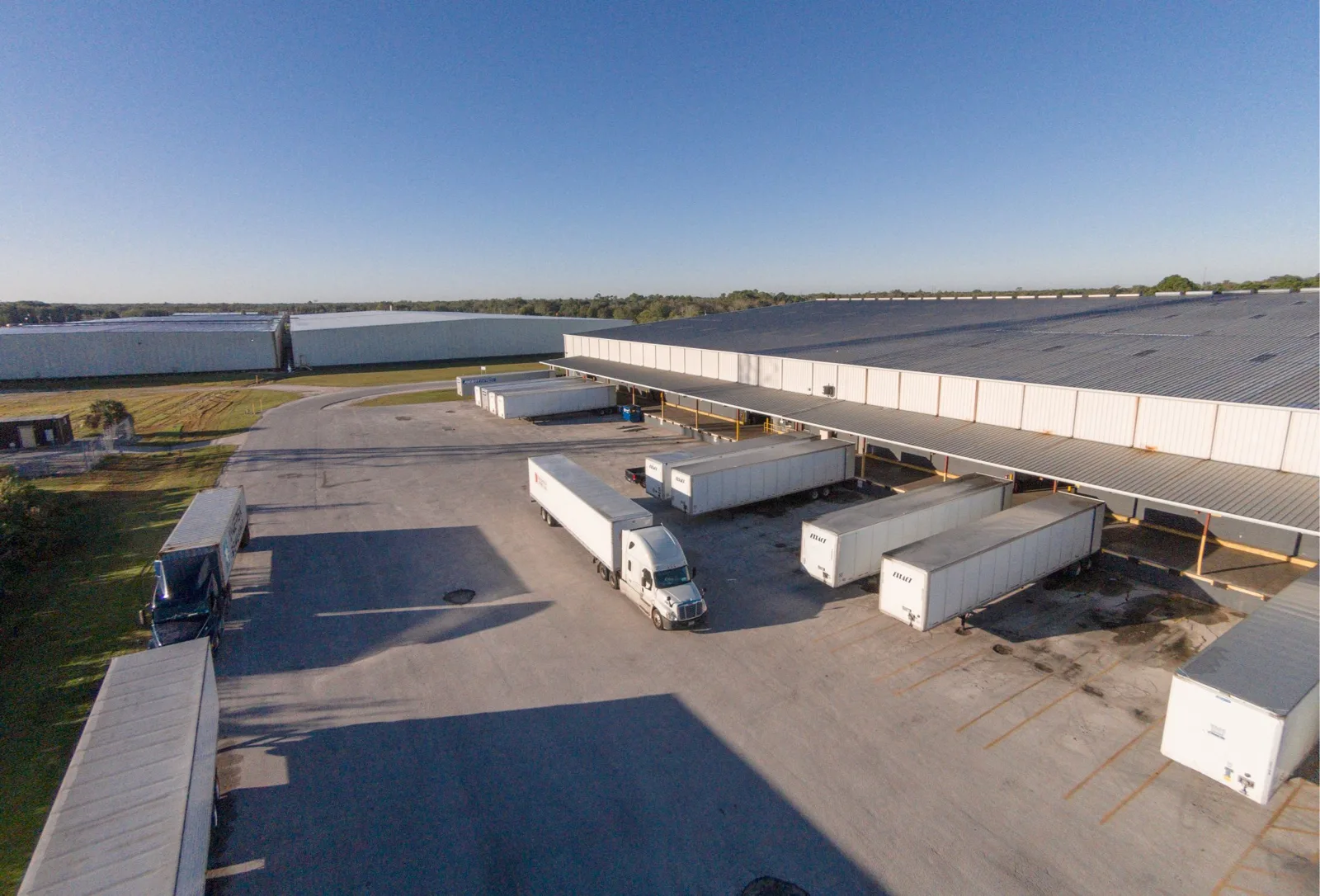
Most 3PLs in Florida specialize. A warehouse operator gets very good at storage: pallet positions, temperature zones, inventory accuracy. A trucking company gets very good at moving freight: routes, driver scheduling, on-time delivery. Specializing isn't a bad strategy, but it means a shipper who needs both ends of the chain covered is stitching together two separate relationships, two separate systems, and two separate points of contact who don't naturally talk to each other.
That split shows up in the search results because it's how the industry is actually built. Fewer providers run real warehouse capacity and a real fleet under the same company, which is exactly why "logistics company Florida" as a search term pulls in a mix of single-service operators rather than a clean list of full-service partners.
What Coordinating Two Vendors Actually Costs You
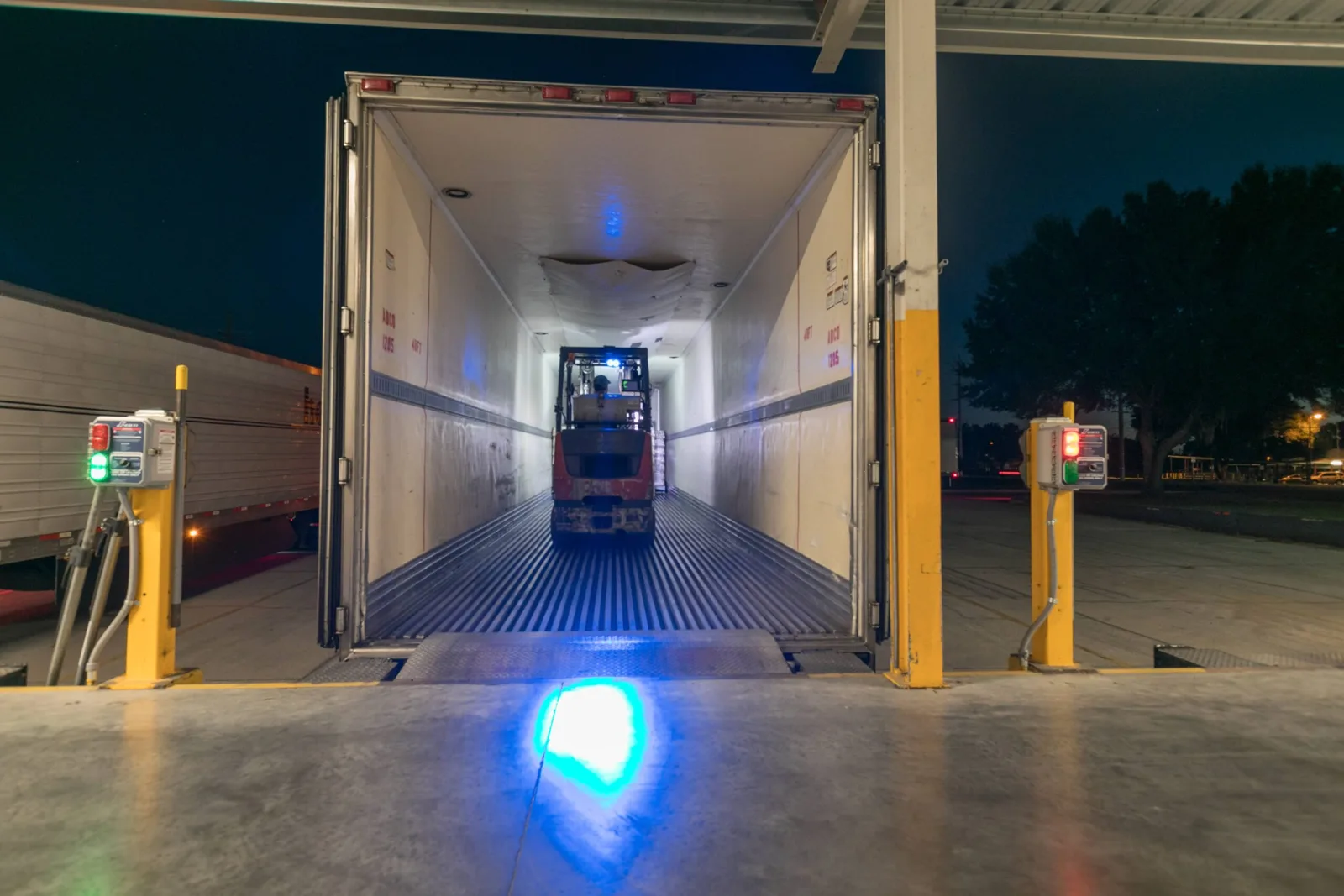
None of this is disqualifying on its own; plenty of shippers run a warehouse and a carrier separately and manage fine. But the coordination has a real, if often invisible, cost:
- No single point of accountability. When a shipment is late, the warehouse blames the carrier's pickup window and the carrier blames the warehouse's dock schedule. Sorting out where the actual delay happened takes calls to two different companies.
- Data that lives in two places. Your inventory system knows what's on the shelf. Your carrier's system knows what's on the truck. Getting a real answer to "where is my product right now, in transit or in storage" means checking both.
- Scheduling that isn't built around each other. A warehouse team that doesn't control the trucks can't always time an outbound load to hit a dock door the moment it's ready. A carrier that doesn't control the warehouse can't always adjust a pickup around a picking delay.
- Slower problem-solving. A weather delay, a late inbound truck, a sudden volume spike, all of these get resolved faster when one team can see and adjust both the storage side and the transportation side, instead of relaying information between two companies on two different priorities.
What Changes When Warehousing and Transportation Run Under One Roof
When the same company controls both the storage and the trucks, a shipment doesn't have to clear a handoff between two organizations to keep moving. A pallet coming out of cold storage can load directly onto a CWI trailer without waiting on an outside carrier's schedule. One team can see inventory levels and truck availability at the same time, which means load planning reflects what's actually sitting in the warehouse instead of an estimate passed along secondhand.
It also means one phone call, not two, when something needs attention. A single point of contact who can speak to both the storage side and the transportation side resolves a problem faster than a shipper playing go-between for two vendors who each control half the answer.
What This Looks Like at CWI
CWI operates warehousing, frozen, refrigerated, and dry, and transportation, full truckload, LTL, and dedicated fleet options, out of the same Florida network rather than as separate service lines managed by different teams. A shipment stored in one of our 10+ Florida facilities can move onto a CWI truck without an outside carrier ever entering the picture, which matters most for temperature-sensitive or food-grade freight where every additional handoff is another point where something can go wrong.
That combination also shows up before a shipment ever moves. Because the same company plans the storage and the transportation, load timing gets built around real inventory positions and dock availability, not coordinated after the fact between two companies working off different information.
When a Single-Service Provider Still Makes Sense
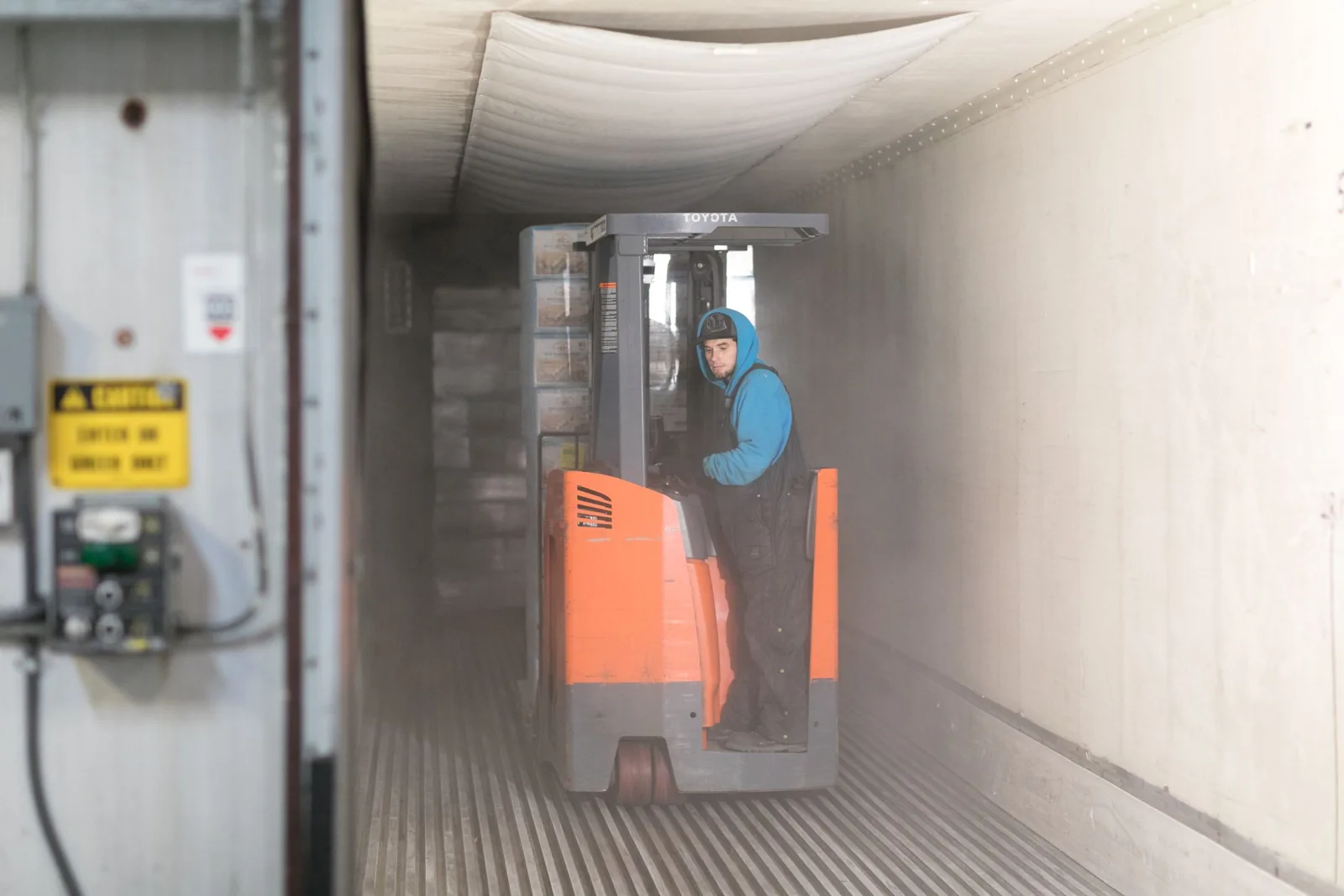
A warehouse-only or trucking-only provider isn't automatically the wrong call. A business that only needs overflow storage, or only needs a specialized carrier for a specific lane, may genuinely be better served by a specialist doing one thing well. The case for one roof gets stronger as a business grows: more SKUs, more locations, more seasonal swings in volume, all of which make the coordination cost of two separate vendors add up faster than it did at a smaller scale.
Why Choose CWI Logistics?
CWI has run warehousing and transportation as one Florida-based operation for 60+ years, not two businesses that happen to share a name. Why choose CWI covers the full story, but the short version is this: food-grade, FDA-registered warehousing and a dedicated fleet, planned together instead of coordinated after the fact, out of 10+ facilities across the state.
If you're comparing a single-service provider against a partner who runs both ends under one roof, let's talk it through. Reach out through our contact form and we'll walk you through what that actually looks like for your product.
Frequently Asked Questions
Is it better to use one company for both warehousing and transportation, or separate providers for each?
It depends on your volume and complexity. For straightforward, low-volume needs, separate specialists can work fine. As a business grows, the coordination cost of managing two vendors, mismatched schedules, split accountability, incomplete visibility, tends to outweigh any advantage of using two separate specialists.
What does CWI Logistics actually offer beyond storage?
CWI runs full truckload, LTL, and dedicated fleet transportation alongside frozen, refrigerated, and dry warehousing, planned and operated as one Florida-wide network rather than as separate service lines.
Does combining warehousing and transportation cost more than using separate vendors?
Not inherently. Pricing depends on your specific volume and service mix either way. The savings from a combined provider usually show up in fewer delays and less staff time spent coordinating between two vendors, not in a lower line-item rate.
Why do most logistics companies in Florida specialize in either warehousing or transportation?
Each side requires a different kind of operational expertise, storage systems and inventory accuracy versus fleet management and route scheduling, so most providers build deep expertise in one rather than investing in both. Fewer companies run real capacity on both sides, which is why full-service providers are the exception rather than the rule.
Is CWI Logistics only for large companies?
No. CWI's shared-use model serves everyone from growing regional brands to Fortune 500 companies within the same network, scaling storage and transportation together as a business grows rather than requiring a large minimum commitment up front.