

The holiday season is make-or-break for many Florida companies. E-commerce, tourism-related retailers, agricultural exporters, and manufacturers all see explosive demand between October and January. Port Miami and Port Everglades become some of the busiest gateways in the nation, I-95 and I-75 turn into parking lots, and customers expect two-day (or same-day) delivery no matter what.
The challenge? Most Florida businesses operate lean the other 10 months of the year. Adding trucks, warehouse space, and staff just for November–December can destroy margins and leave you with idle assets in February. The solution lies in smart preparation and flexible third-party logistics (3PL Florida) partnerships that scale up—and down—exactly when you need them.
Here’s exactly how Florida companies can master Florida peak shipping preparation without tying up capital or taking unnecessary risks.
Florida Peak Shipping Preparation
1. Start with Ruthless Demand Forecasting (6–9 Months Out)
Accurate forecasting is the foundation of every successful peak season.
- Pull three years of historical data (Thanksgiving week, Black Friday–Cyber Monday, the two weeks before Christmas).
- Layer on external Florida-specific drivers: cruise passenger volumes, snowbird arrivals, college winter breaks, citrus harvest schedules, and spring-training pre-orders.
- Use channel-specific trends: Amazon vs. Shopify vs. wholesale pallet orders often peak at different times.
- Add a “Florida weather wildcard” buffer—hurricane season technically ends November 30, but late storms routinely disrupt Q4.
Pro tip: Tools like Jungle Scout, Helium 10, or even simple Excel with Google Trends can reveal micro-spikes (e.g., “pool floaties” surge the week South Floridians reopen pools after Hurricane Milton cleanup).

2. Build a Tiered Capacity Plan Instead of a Single Big Bet
Think in three layers rather than all-or-nothing commitments:
- Tier 1 – Owned/core assets: Your year-round trucks, warehouse racking, and full-time staff. Run these at 95–100% during peak.
- Tier 2 – Committed flexible capacity: Reserve pallet positions, trailer space, and labor with a 3PL partner 6–12 months ahead—but only pay if you use it (or pay a small reservation fee). Many Florida 3PLs now offer “pay-for-what-you-use” peak surcharges instead of take-or-pay contracts.
- Tier 3 – Spot market overflow: Last-minute LTL, parcel, or dedicated trailers for true black-swan events. More expensive, but you only tap it when Tier 1 and 2 are maxed.
This tiered model keeps fixed costs low while giving you guaranteed capacity exactly where you need it.
3. Choose the Right Flexible 3PL Partner in Florida
Not all 3PLs handle Florida peak shipping preparation equally well. Look for these five hallmarks:
- Multiple Florida facilities (CWI has 10), so you’re never trucking empty miles across the state.
- Shared-user warehouses with retail-compliant capabilities (FCC grading, lot control, etc).
- Proven peak-season track record—ask for references from last Q4 and their on-time delivery percentage from Nov 15–Dec 23.
- Technology integration (EDI, API, real-time visibility)
- Transparent peak pricing published upfront—no “we’ll let you know in October” games.
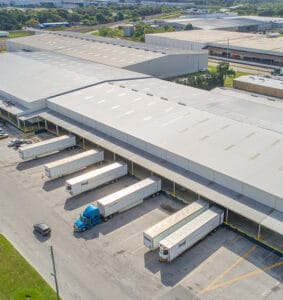
Companies like CWI Logistics operate temperature-controlled and ambient facilities in Auburndale and Winter Haven and have scaled Florida brands through multiple record-breaking holiday seasons without forcing clients into long-term overcommitments.
4. Master Peak Pricing & Cost Forecasting
Peak surcharges from carriers and 3PLs are inevitable, but they don’t have to be a surprise.
- Request peak pricing matrices in July/August (most carriers publish 2026 GRI and peak surcharges by September).
- Model three scenarios: expected (+20%), high (+50%), and OMG (+100%), so finance can set aside cash reserves.
- Negotiate “blend-and-extend” rates with your 3PL: a slightly higher year-round rate in exchange for capped or zero peak surcharges.
5. Optimize Inventory Positioning Before October 1
Florida’s geography is both a blessing and a curse. You’re close to 70 million consumers within a two-day truck drive, but you’re at the end of the national supply chain.
- Forward-stock high-velocity SKUs in Florida DCs no later than September 30. Ocean containers arriving in Savannah or Jacksonville in November will miss the window.
- Use port diversification: NY/NJ, Savannah, and Houston often have lower demurrage risk than Miami when Far East ships bunch up.
- Pre-book drayage and transload services—power-only drivers disappear the week before Thanksgiving.

6. Staff Smart—Don’t Hire for December in July
Labor is the hidden killer of peak margins in Florida.
Partner with a 3PL that maintains a variable labor pool (think Amazon-style seasonal associates who already know WMS systems). You avoid:
- Signing bonuses and 90-day retention payouts
- Unemployment claims in January
- Workers’ comp spikes from untrained holiday hires
Many Florida 3PLs can triple their picking/packing labor within 48 hours using their existing on-call network.
7. Communicate Early and Often with Customers
Set expectations before the rush:
- Update shipping cut-off dates on your website by October 15.
- Offer “Guaranteed Christmas Delivery” upgrades that bundle your Tier 2/3 capacity (and charge accordingly).
- Use SMS and email to warn about potential weather delays—Floridians understand hurricanes better than anyone.
Transparency reduces customer service calls by up to 40% and protects your seller ratings.
Florida Peak Shipping Preparation: The Bottom Line
Scaling seasonal demand doesn’t mean permanently inflating your cost structure. With accurate forecasting, tiered capacity planning, and the right flexible 3PL partnership, you can:
- Capture every holiday sale
- Protect year-round margins
- Avoid empty warehouses and idle trucks in January
Companies that treat peak season as a 10-week sprint—with partners who can sprint alongside them—consistently outperform those who try to turn a lean year-round operation into a peak-season behemoth overnight.
Start your Florida peak shipping preparation now. Reach out to a logistics partner who understands the unique rhythm of the Sunshine State’s busiest months, lock in flexible capacity, and turn this year’s holiday rush from a stressor into your most profitable season ever.