

A five- or ten-year industrial lease made sense when demand was predictable. It doesn’t make as much sense in 2026. Tariffs are reshuffling where inventory gets built up and drawn down, consumer demand is swinging month to month, and the brands that are winning right now are the ones that can flex their footprint without flexing their balance sheet.
The problem is that most commercial real estate isn’t built for that. You either commit to a lease sized for your busiest month and pay for empty racking the rest of the year, or you commit to a lease sized for a slow month and scramble for overflow space when a big order comes in. Neither is a great option, which is exactly why more Florida shippers are moving to a third-party, shared-use warehousing model instead of signing their own lease at all.
Why the Traditional Lease Model Is Falling Behind
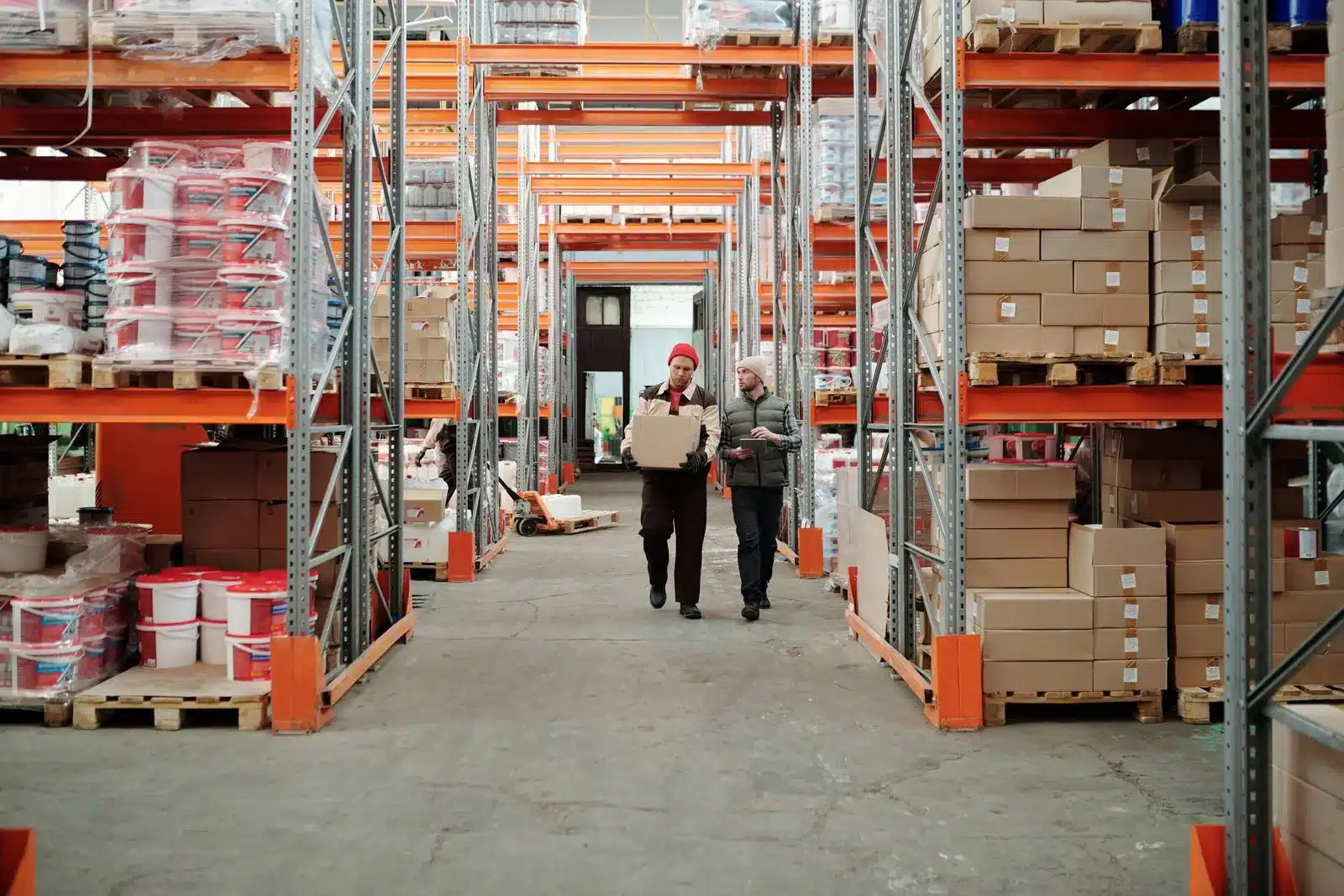
A dedicated industrial lease locks you into a fixed footprint for years, regardless of what your business actually needs month to month. That mismatch shows up in a few predictable ways:
- You pay for space you’re not using. Racking sits empty in the off-season, but the rent doesn’t go down.
- You run out of room when it matters most. Peak season, a promotional push, or a surprise order can outgrow a fixed footprint fast, and finding emergency overflow space on short notice is expensive and disruptive.
- Capital gets tied up in real estate, not growth. A long lease (and often the buildout that comes with it) commits cash that could go toward inventory, marketing, or headcount.
- You’re locked in even if your business changes. A shift in strategy, a new distribution channel, or a slowdown doesn’t change your lease terms.
None of that is a knock on commercial real estate; it’s simply built for stability, not flexibility. And 2026 is rewarding flexibility.
What Shared-Use, Third-Party Warehousing Looks Like
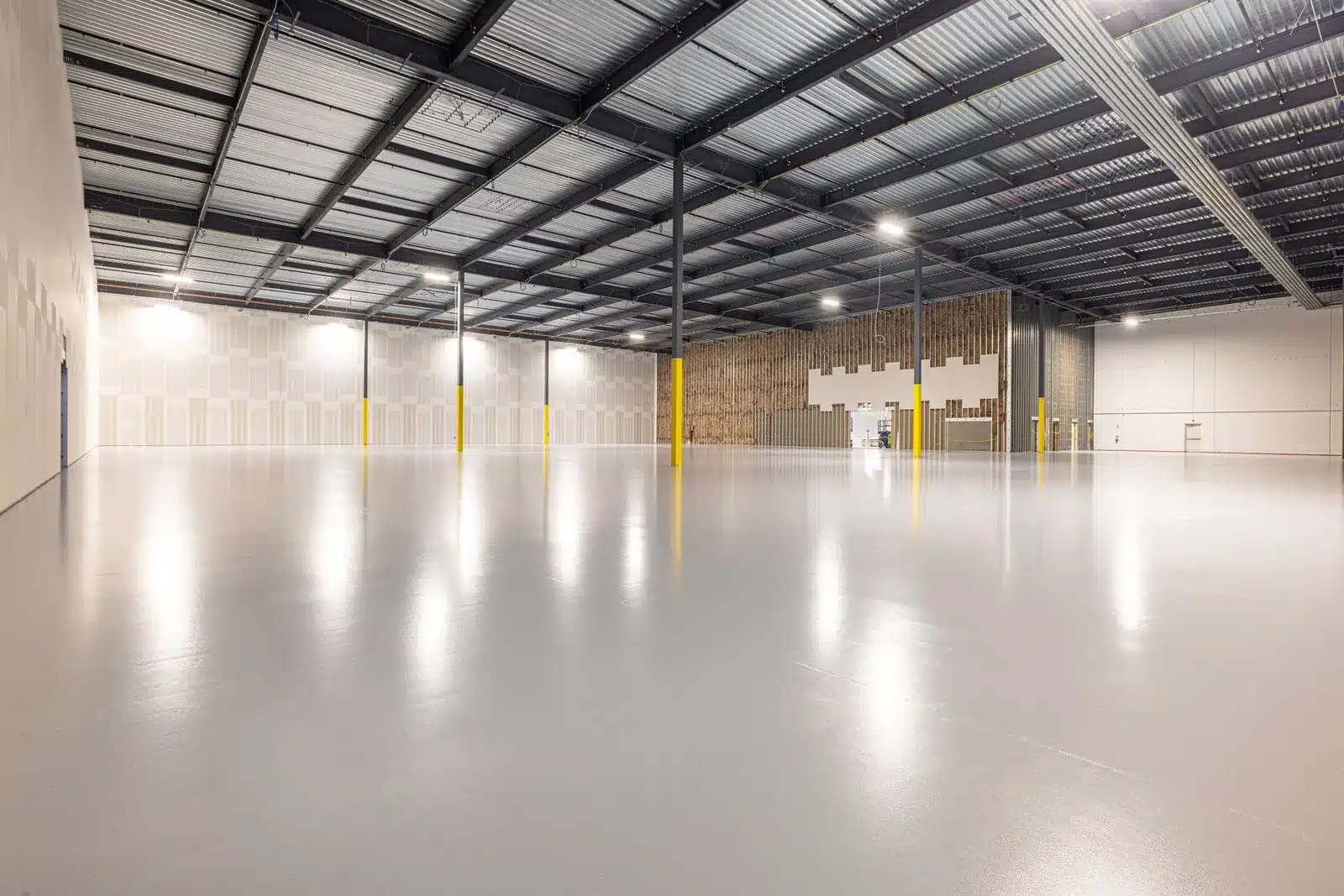
Third-party warehousing flips the model. Instead of leasing a fixed building, you pay for the pallet positions, space, and services you actually use, inside a facility shared with other companies, and that footprint can grow or shrink as your needs change.
That looks like:
- Scaling up fast. Need more room for a seasonal push, a new product line, or a big incoming order? Add pallet positions without negotiating a new lease or waiting on a buildout.
- Scaling down without penalty. When volume settles back down, your footprint (and your bill) settles down with it. No empty warehouse you’re still paying to lease.
- No real estate commitment. No long-term lease, no capital tied up in a building, no buildout costs to plan around.
- Access to services beyond storage. A shared-use 3PL can bundle in transportation, cross-docking, and other value-added services, so you’re not managing a separate vendor for each piece.
It’s the same idea behind cloud computing: pay for the capacity you’re using right now, not the capacity you might need someday.
Who This Model Fits Best
Flexible, third-party warehousing isn’t just for companies in crisis; it’s a smart default for a lot of Florida shippers, including:
- Seasonal businesses whose inventory needs swing sharply between peak and off-season.
- Growing brands that don’t yet know what their space needs will look like in two years, let alone five.
- Companies managing tariff-driven inventory swings, building up buffer stock when it makes sense, then drawing it down without being stuck holding the real estate.
- Businesses testing a new market or channel in Florida who want distribution capability without committing to a permanent facility.
- Established companies going through a transition (a new product launch, an acquisition, or a shift in strategy) who need room to adjust without a real estate decision attached.
A Real Example: Filling the Gap When a Tenant Leaves
Flexibility runs both directions. When a long-term client recently vacated roughly 120,000 square feet across CWI’s network, that space didn’t sit empty waiting for another multi-year lease to get signed. It became available capacity for other shippers who needed to scale up right now, on terms that fit their timeline instead of a landlord’s.
That’s the practical upside of a shared-use model: space moves to where the demand is, instead of sitting locked behind whoever signed the original lease.
What to Look for in a Flexible Warehousing Partner
Not every “flexible” pitch holds up once you need the space. Before committing, look for:
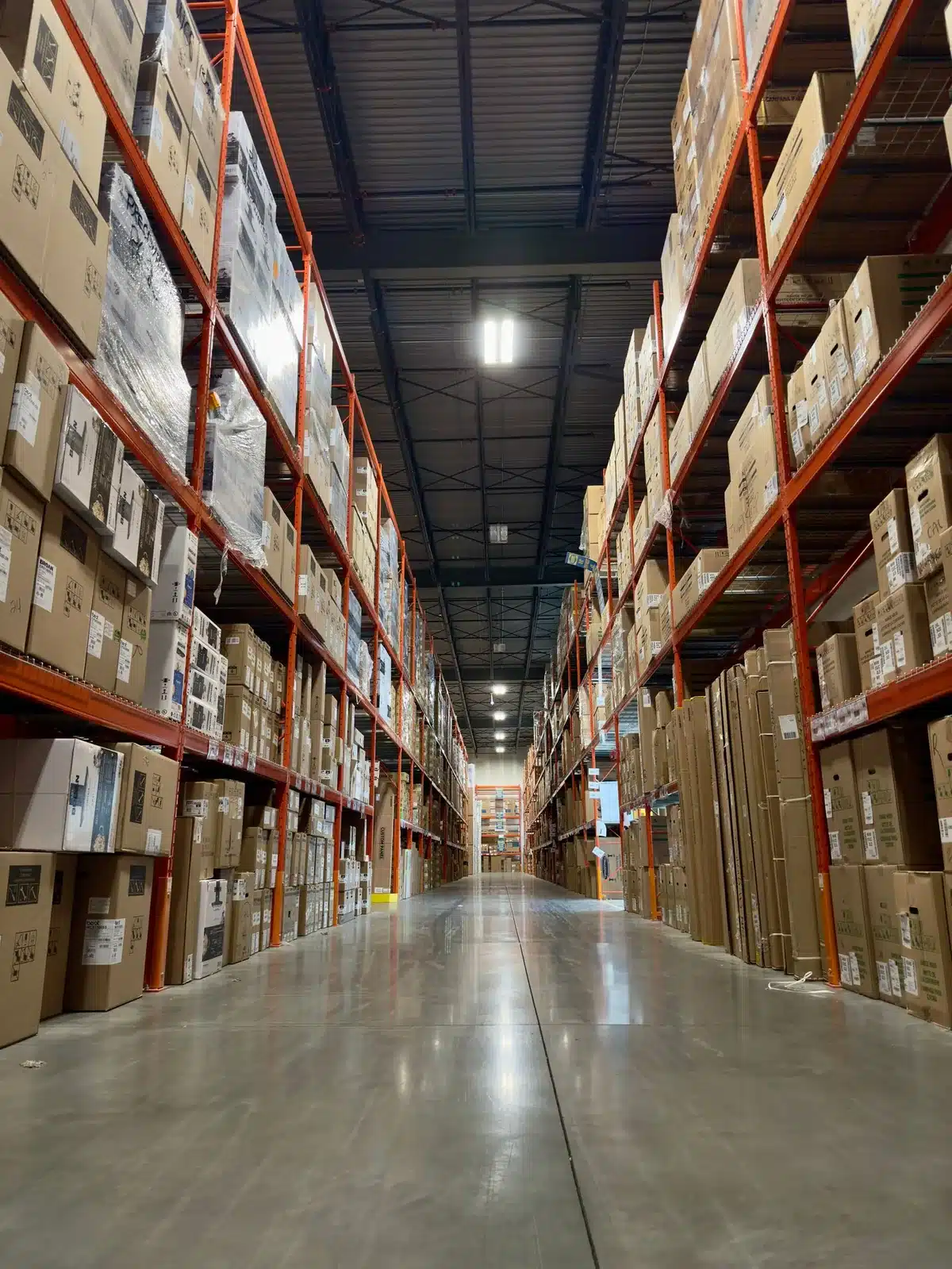
- Real available capacity, not just a sales promise. A partner with multiple facilities and a track record of onboarding new clients quickly can actually deliver the space when you need it.
- Clear, usage-based pricing. You should know exactly what you pay for pallet positions and services used, no guessing what a “flexible” arrangement costs.
- Services beyond storage. Transportation, cross-docking, and other value-added services mean you’re not stitching together multiple vendors as your needs change.
- Food-grade and multi-temp capability, if you handle food or beverage: frozen, refrigerated, and dry, so scaling up doesn’t mean sacrificing compliance.
- A regional footprint, so scaling up in one part of Florida doesn’t mean starting a new vendor relationship somewhere else.
Why Choose CWI Logistics?
CWI has run a shared-use model for 60+ years; it’s not a pandemic-era pivot, it’s how we’ve always operated. With 10+ facilities across Florida and millions of cubic feet of capacity, we can flex your footprint up or down as your business changes, without a long-term lease attached. That’s true whether you’re a growing brand that’s never leased a warehouse before or a Fortune 500 company managing inventory swings across multiple states.
Add in our dedicated and public warehousing and contract warehousing options, FDA-registered and food-grade facilities, and our own transportation fleet, and you get room to grow (or contract) without the overhead of owning the real estate yourself.
If your space needs change faster than a lease can, let’s talk about a footprint that can keep up. Request a quote or reach out through our contact form, and we’ll map out flexible warehousing built around how your business actually moves.
Frequently Asked Questions
How is third-party warehousing different from leasing my own space?
When you lease your own facility, you’re committed to a fixed footprint for the length of the lease, regardless of what you actually need month to month. Third-party warehousing means you pay for the pallet positions and services you use inside a shared facility, and that footprint can scale up or down as your needs change, no lease negotiation required.
Is there a minimum commitment to use shared-use warehousing?
It depends on the provider, but the whole point of the model is flexibility: a good partner will work with usage that scales with your business rather than locking you into a rigid long-term contract.
Can I scale up quickly if I get a large or unexpected order?
Yes, provided your partner has real available capacity. That’s why it’s worth confirming a provider has multiple facilities and space to onboard new volume quickly, rather than taking “flexible” as a given.
Does scaling down mean losing service quality or priority?
No. With the right partner, your service level is based on your account, not just your square footage. A shared-use 3PL is built to handle clients whose needs change size throughout the year.
Is this model only good for short-term or seasonal needs?
Not at all. Plenty of companies use third-party warehousing as their permanent strategy specifically because it avoids the real estate commitment altogether, scaling with the business indefinitely rather than for one busy season.