

Most businesses don’t decide to outgrow their warehouse. It happens a pallet at a time. A few extra skids in the aisle during the holidays. A second storage unit across town “just for now.” A lease that made sense three years ago and now feels like a cap on what you can sell.
The tricky part is that none of these feel like an emergency on their own. Together, they add up to real money and real customer problems. Here are seven signs it’s time to rethink your warehousing setup, and what your options look like once you’ve spotted them.
1. Seasonal Overflow Keeps Spilling Into Places It Doesn’t Belong
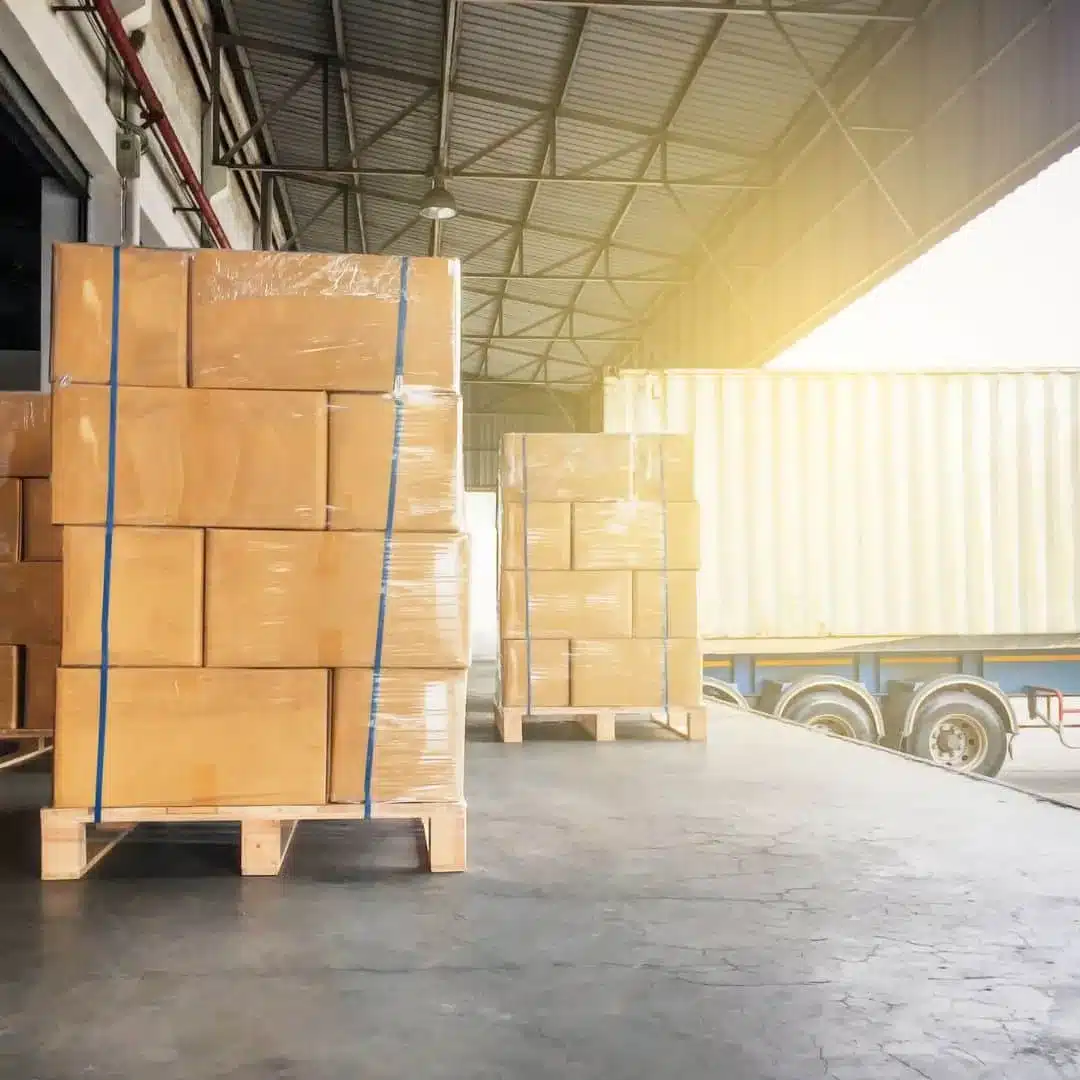
If product is stacked in aisles, staged in doorways, or parked in a trailer that’s been sitting at your dock for two weeks, your space has stopped working for you. Overflow storage is a normal part of a busy season. When it becomes a permanent part of every busy season, you’re paying for a building that doesn’t match your business.
The cost shows up in places that don’t look like “warehouse costs”: slower picking, damaged product, blocked dock doors, and trailer detention fees.
2. You’re Paying for Space You Only Need Part of the Year
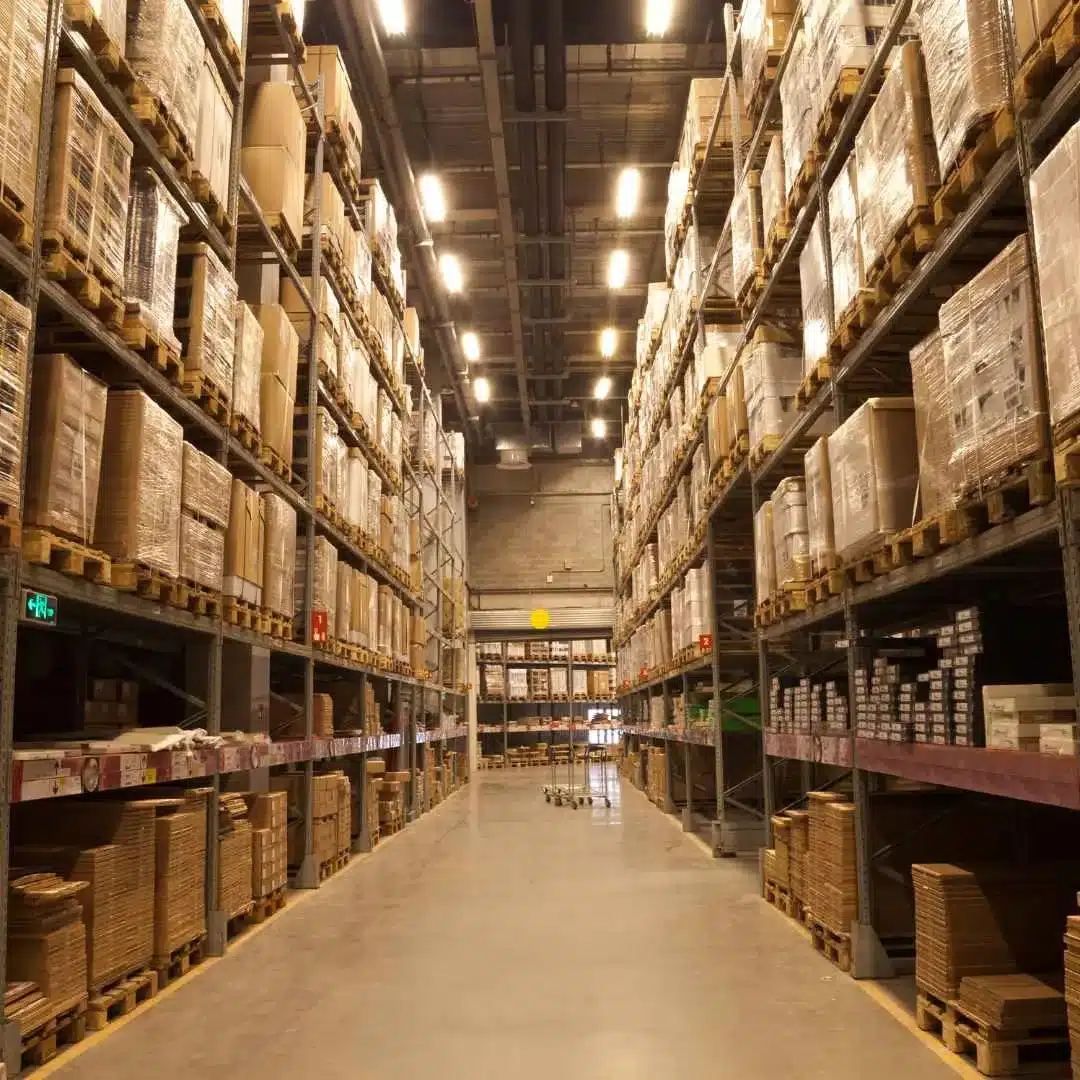
The opposite problem is just as expensive. If your building is sized for your peak three months, you’re paying for empty racking the other nine. A traditional lease doesn’t care that demand dipped in February. It charges the same rent either way.
If your volume swings a lot from season to season, a fixed footprint will always be either too big or too small. We covered how that works in more detail in scaling warehouse space without signing a long lease.
3. Your Lease Doesn’t Flex When Your Business Does
A five-year lease is a bet that your business will look the same in year five as it does today. If you’ve added a product line, picked up a larger customer, or lost one, that bet may already be off.
Watch for the warning signs: you’re avoiding new business because you don’t have room, or you’re holding onto space after a customer leaves because breaking the lease costs more than the empty racking. When your real estate is deciding your growth plan, the lease is the problem.
4. Inventory Is Sitting in the Wrong Place
Florida is a long state. If most of your customers are in Miami and your inventory is in Jacksonville, every order starts with a long haul before it even reaches the road to the customer. Slower delivery windows, higher freight costs, and missed same-day or next-day promises are all signs that your inventory is far from your demand.
The fix isn’t always a bigger warehouse. Sometimes it’s a second location closer to your customers, without building a second operation from scratch.
5. Your Warehouse Can’t Handle What You’re Starting to Sell
Maybe you started with dry goods and now you’re adding refrigerated or frozen items. Maybe a customer is asking for food-grade storage, or you’re getting questions about traceability and recall readiness. If your building can’t hold the right temperature, or you can’t show the right FDA registration and food safety documentation, you’re turning down business you’ve already earned.
Retrofitting a building for cold storage or food-grade compliance is a major investment. Renting space that’s already built for it is usually faster and far cheaper.
6. Your Team Spends More Time Managing the Warehouse Than Growing the Business
Count how many hours a week go to scheduling forklift drivers, chasing down inventory counts, handling carrier pickups, and fixing receiving mistakes. If that work is landing on the people who should be selling, planning, or serving customers, the warehouse has become a second job.
Handing off storage, handling, and value-added services to a partner who does it every day frees your team for the work that actually grows revenue.
7. Shipping Mistakes and Delays Are Becoming a Pattern
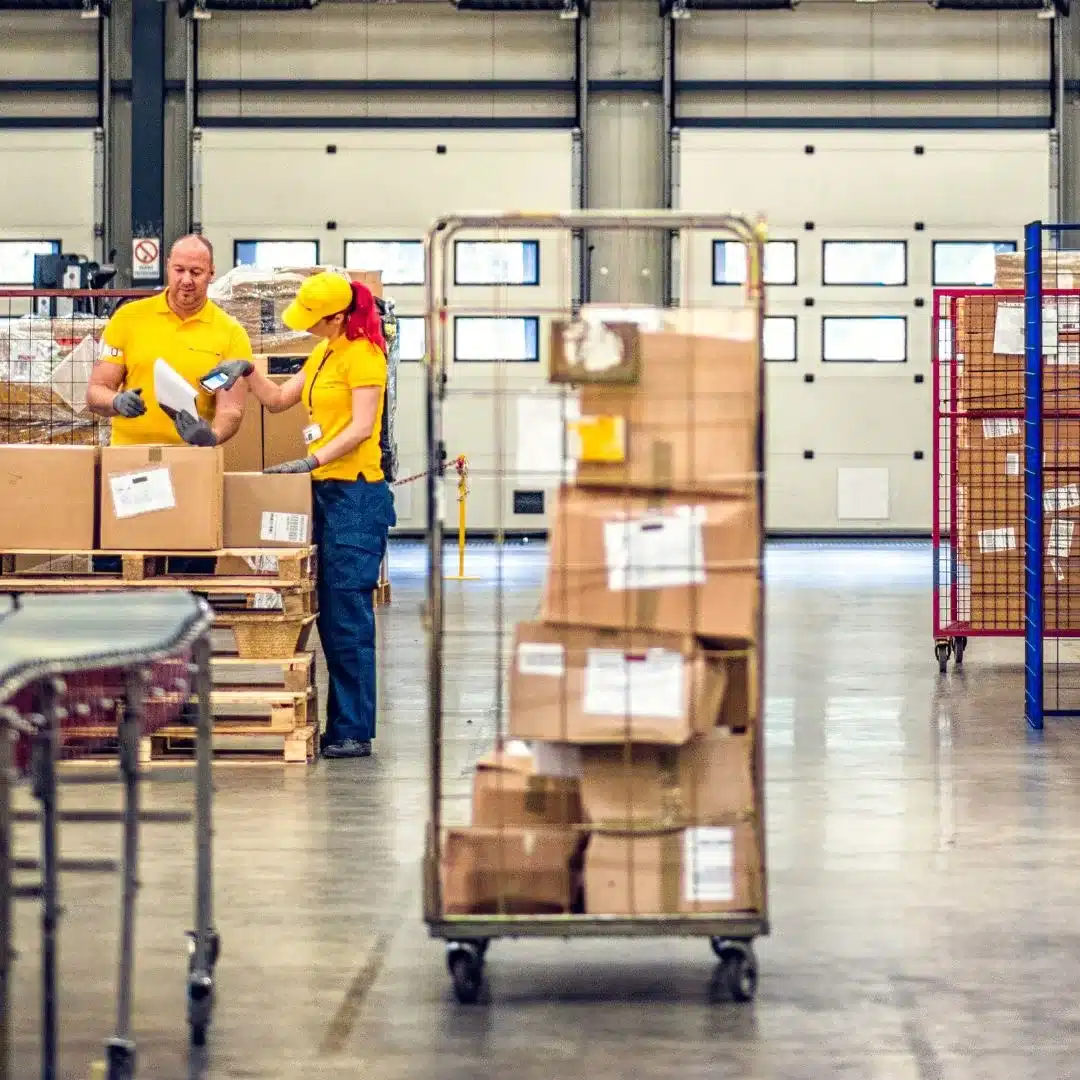
One late order is a bad day. A pattern of late orders, wrong counts, and mis-picks is a capacity problem. When a warehouse is running past what its space, equipment, and staffing can handle, errors increase and customers notice before you do.
If you’re hearing about service problems from customers instead of catching them yourself, take it as a signal. Your operation may have more volume than your current setup can handle cleanly.
What to Do If You Recognize Three or More
You don’t have to jump straight to a new building. Here’s a simple way to sort out your options:
- Overflow only? Start by moving seasonal or slow-moving inventory into public warehousing while keeping your core operation where it is.
- Growing steadily? Look at contract warehousing, where a dedicated team and space are set up around your account.
- Need new capabilities, like cold storage or food-grade handling? Look for a partner whose facilities already have them, rather than paying to build your own.
- Not sure yet? Compare your real costs: rent, labor, overflow storage, freight inefficiency, and the business you’re turning down. The number is often bigger than expected.
If you’re weighing outsourcing against staying put, our guide to utilizing a third-party warehousing provider is a good place to start.
Why Choose CWI Logistics?
CWI has run warehousing and transportation as one Florida operation for 60+ years. With 10+ facilities across the state, frozen, refrigerated, and dry storage, and FDA-registered, food-grade space, we can take on overflow, add capacity in a new part of Florida, or run your whole warehouse operation, without a long-term lease attached. Why choose CWI tells the full story.
If you recognized your business in this list, let’s talk through your options. Reach out through our contact form and we’ll look at what you’re storing, where your customers are, and what a better setup could look like.
Frequently Asked Questions
How do I know when it’s time to move to third-party warehousing?
The clearest signals are recurring overflow, paying for space you don’t use year-round, a lease that limits growth, or inventory that’s far from your customers. If you’re seeing two or three of these at once, it’s worth pricing out a third-party option.
Is third-party warehousing more expensive than running my own warehouse?
Not usually, once you count everything. Your own warehouse carries rent, utilities, equipment, insurance, and labor whether the space is full or empty. Third-party warehousing generally charges for the pallet positions and services you actually use, so cost tracks your volume.
Can I move just my overflow inventory instead of my whole operation?
Yes. Many businesses start by moving seasonal or slow-moving product to a third-party facility and keep their core operation in place. You can expand from there if it works.
How quickly can a business start using third-party warehouse space?
It depends on the facility’s available capacity and how complex your product is. A partner with multiple facilities and experience onboarding new customers can usually move faster than a business trying to find, lease, and equip a new building on its own.
Does CWI Logistics handle refrigerated and frozen products?
Yes. CWI operates frozen, refrigerated, and dry warehousing across 10+ Florida facilities, with FDA-registered, food-grade space for businesses that need it.